A CHARTER FOR THE OPEN HILL
Protecting the hills and moors of the Scottish uplands
* Recognising the contribution of the open landscape of
hills and moors to the history, culture and identity of
Scotland
* Recognising the importance to the tourist industry of the
wide vistas across open landscapes, and the importance
to local employment through the management of
moorland
* Recognising the international importance and rarity of
Scottish moorland habitats
* Recognising the natural origins of the open, unwooded
hills and moors
* Recognising the current threats to the open hill, in
particular its fragmentation through forestry and
woodland planting
* Recognising, also, the ever-increasing infrastructure
being imposed on moorland, including vehicle tracks,
wind farms, dams, reservoirs, power-lines and masts
We,
the
undersigned,
request
that
the
Scottish
Government
takes
steps
to
retain
the
remaining,
unfragmented
areas
of
open
hill
in
Scotland
through
the
identification
of
the
key
areas
to
be
safeguarded
for
future
generations.
Link to form
NOTES
What is meant by ‘the open hill’?
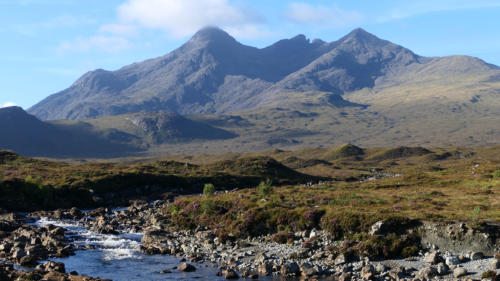
The upland landscape of Scotland is characterised by wide tracts of unwooded
moorland. There are many kinds of moorland, including heather moorland
(particularly in the east), wet heath (particularly in the west), grass moor and
peatlands. This Charter encompasses all types.
Origin of moorland
There is a widespread belief that most of the Scottish moorland has been
created through human action, particularly the destruction of natural forest
which once covered most of the land.
However, research shows that the moorland has developed naturally, its extent
increasing as woodland, which was more common thousands of years ago,
naturally declined.
This decline occurred through changes in climate, through long-term loss of
fertility through leaching, and through the continual presence of grazing
animals, particularly red deer. Modern research has identified the importance of
grazing animals in shaping the landscape of natural ecosystem, with there being
nothing natural about low levels of grazing.
Nature conservation value of moorland
Most moorland habitats, including dry heath, wet heath and peatbog, have been
recognised as internationally important in the European Commission’s Habitats
Directive, i.e. they are listed in Annex 1 of the Directive.
Unwooded, temperate moorland comprises internationally rare ecosystems, with
a continuous link back to the Ice Age. Landscapes where the vegetation pattern
has never been designed, the soil ploughed or the land planted, are now very
rare in Europe, especially on the scale of the Scottish uplands.
Open moorland supports many important species, including breeding waders,
golden eagles, hen harriers, red grouse, heather, cross-leaved heath, bog
asphodel and rare liverworts.
Importance to the climate
The soils of the uplands are rich in organic matter (humus and peat) and
therefore extremely important as a carbon store.
Historical and cultural importance of moorland
In historical times, the open hills and moors have been the backdrop to the
history and culture of Scotland, including the Highland clans, Border raids,
battles, castles, crofting, cattle droving, the Clearances, sporting estates, hill
farming, music and song. Currently the management of moorland provides
important rural jobs to the benefit of the local economy.
Open moorland: a distinctive Scottish landscape
The open hill of lochs and glens, heather and bog has become the landscape
which now epitomises Scotland. It is a draw to tourists, who enjoy the wide
vistas and the easily visible hills. Many areas have been identified as National
Scenic Area, and the wildness of much of the remaining open hill has been
recognised by its inclusion in Wild Land Areas.
_________
Note: This Charter is not about how moorland should be managed, but
concentrates on the need to retain moorland in the first place – the need to
produce a Locational Strategy for Moorland.